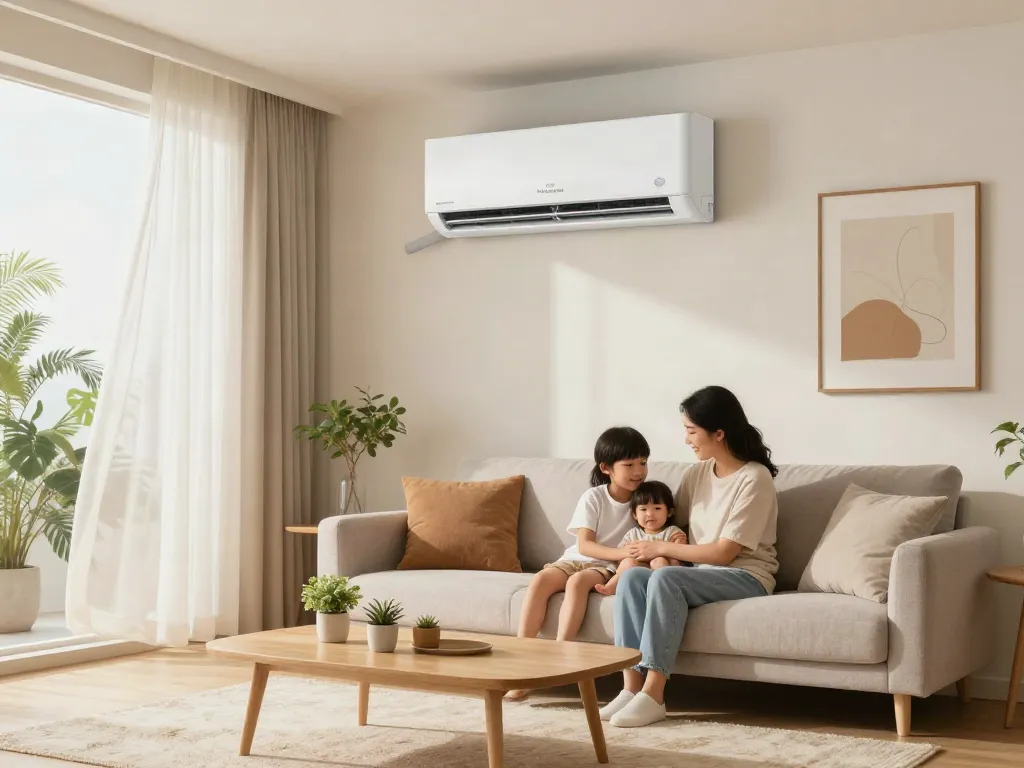
Understanding Ductless Air Conditioners
Ductless air conditioners, also known as mini-split systems, have gained immense popularity in recent years due to their efficiency and flexibility. They are particularly appealing to homeowners looking for effective cooling solutions without the hassle of traditional ductwork. These systems are especially ideal for retrofitting older homes or spaces where installing ducts would be impractical. When exploring options, ductless air conditioner models offer a variety of features designed to enhance comfort and energy savings.
What is a Ductless Air Conditioner?
A ductless air conditioner consists of two main components: an outdoor condenser unit and one or more indoor air handling units. Unlike traditional central air conditioning systems that rely on extensive ductwork to distribute air, ductless systems use individual air handlers mounted on walls or ceilings to directly cool or heat specific areas of a home. This allows for greater control over temperature settings in different rooms, making it an efficient choice for modern living.
How Ductless Systems Differ from Traditional AC
The primary distinction between ductless systems and traditional air conditioning is the absence of ductwork. This absence results in increased energy efficiency since there is no energy loss typically associated with ducted systems. In fact, studies show that up to 30% of energy can be lost through ducts. Furthermore, ductless systems often operate with inverter technology, allowing them to adjust compressor speed based on the cooling needs, which leads to more consistent temperatures and reduced energy consumption.
The Components of a Ductless Air Conditioning System
The core components of a ductless air conditioner are crucial to its functionality:
- Outdoor Unit: This component absorbs heat from outside and releases it through a compressor. It is designed to withstand various weather conditions.
- Indoor Air Handlers: These are mounted within the living space and distribute cooled or heated air. They can often be controlled independently, providing zoned conditioning.
- Refrigerant Lines: These lines connect the outdoor unit to the indoor air handlers, transporting refrigerant that absorbs and expels heat.
- Remote Control: Most mini-split systems come with remote controls for adjusting settings, timers, and fan speeds easily.
Benefits of Ductless Air Conditioners
Energy Efficiency and Cost Savings
Ductless air conditioners are heralded for their energy efficiency, which translates to significant cost savings on energy bills. Their design minimizes energy losses, and many models have high SEER (Seasonal Energy Efficiency Ratio) ratings, indicating superior efficiency. Additionally, since each indoor unit can be controlled independently, homeowners can avoid cooling unoccupied rooms, further enhancing savings.
Improved Indoor Air Quality
Another advantage of ductless systems is their ability to improve indoor air quality. As these units do not rely on ducts that can accumulate dust, allergens, and contaminants over time, they often lead to healthier living environments. Many ductless air conditioners also come with advanced filtration systems that trap particulates, improving overall air quality in the home.
Versatility in Installation and Design
Ductless systems are remarkably versatile. They can be installed in various settings, including homes without any existing ductwork, newly constructed spaces, or even in commercial spaces. Their sleek design and ability to mount on walls or ceilings mean they can blend into any home aesthetic while still providing efficient heating and cooling.
Choosing the Right Ductless Air Conditioner
Assessing Your Home's Cooling Needs
Before investing in a ductless air conditioning system, it is essential to assess your cooling needs based on the size of your home, the number of rooms to be cooled, and any specific temperature preferences. A professional assessment can help determine the correct BTU (British Thermal Unit) rating needed for each unit, ensuring optimal performance and efficiency.
Comparing Brands and Models
Not all ductless air conditioners are created equal. When comparing brands and models, consider factors such as energy efficiency ratings, warranties, noise levels, and available features. Some models offer Wi-Fi connectivity, allowing for remote operation via smartphone apps, which can enhance convenience and energy management.
Understanding Installation Requirements
Installation is a critical factor in the performance of a ductless air conditioner. While some homeowners may attempt a DIY installation, it is generally recommended to hire a professional. Proper installation ensures that the system operates efficiently and effectively, preventing potential issues down the line and optimizing the lifespan of the unit.
Installation and Maintenance of Ductless Air Conditioners
Professional Installation vs. DIY
While DIY installation of ductless systems might seem tempting, it can lead to complications if not done correctly. Professional installers have the expertise to ensure that the units are mounted at the appropriate height, the refrigerant lines are correctly routed, and the systems are configured for maximum efficiency. Furthermore, they can also handle any necessary permits or compliance with local building codes.
Essential Maintenance Tips for Longevity
To keep your ductless air conditioning system running smoothly, regular maintenance is essential. Homeowners should:
- Clean or replace the filters every few months to maintain airflow and air quality.
- Check the outdoor unit for debris and ensure it is clear for optimal airflow.
- Schedule annual professional inspections to catch any potential issues early.
- Monitor refrigerant levels and ensure there are no leaks in the system.
Common Issues and Troubleshooting
While ductless systems are relatively reliable, users may encounter some common issues, such as:
- Noisy Operation: If the system is making unusual noises, it could indicate a loose fan blade or motor issue.
- Ineffective Cooling/Heating: This may suggest a refrigerant leak or improper installation.
- Remote Control Issues: If the remote control isn’t functioning, check the battery or ensure there are no obstructions between the remote and the unit.
Future Trends in Ductless Air Conditioning
Advancements in Technology for 2026
The future of ductless air conditioners looks promising, with continuous advancements in technology. Innovations such as variable refrigerant flow (VRF) systems are gaining traction, allowing for even greater efficiency and flexibility. These systems adapt to varying thermal loads, ensuring comfort and energy savings.
Smart Home Integration and Automation
As smart home technology continues to evolve, ductless air conditioners are increasingly being integrated into smart home ecosystems. Homeowners can control their systems through smart devices, set schedules, and even receive alerts about maintenance needs. This level of integration enhances convenience and optimizes energy efficiency.
Environmental Impact and Sustainability Initiatives
With growing concerns about climate change, manufacturers are focusing on making ductless systems more environmentally friendly. This includes minimizing the use of harmful refrigerants and enhancing energy efficiency to reduce carbon footprints. Many brands are also pursuing certifications like ENERGY STAR, which verifies that products meet strict energy efficiency guidelines.
Are ductless air conditioners any good?
Absolutely! Ductless air conditioners are not only energy-efficient but also provide targeted cooling solutions that can enhance comfort and indoor air quality in various settings.
How much does it cost to install a ductless AC unit?
The cost of installing a ductless air conditioner can vary widely based on factors such as the number of units needed, labor costs, and any additional features. On average, homeowners can expect to pay between $3,000 and $5,000 for a complete system installation, but this could increase based on specific requirements.
What are the downsides of a mini split AC system?
Some potential downsides of mini split systems include higher upfront costs compared to traditional systems and the aesthetic aspect of having indoor units mounted on walls. However, the long-term energy savings often outweigh these initial drawbacks.
Is it cheaper to run a mini split or central AC?
Generally, mini-split systems are cheaper to run due to their energy efficiency and zoning capabilities, which allow users to cool only the rooms they occupy.
Best practices for maintaining ductless systems?
As discussed, regular cleaning, professional inspections, and prompt attention to any issues are key to ensuring that a ductless system operates efficiently and lasts for many years.